February 1 — February 28, 2026
History Matters
Showing our children that their past is prelude to their future, with book recommendations
. Seattle’s anti-Chinese Riots, February 1886
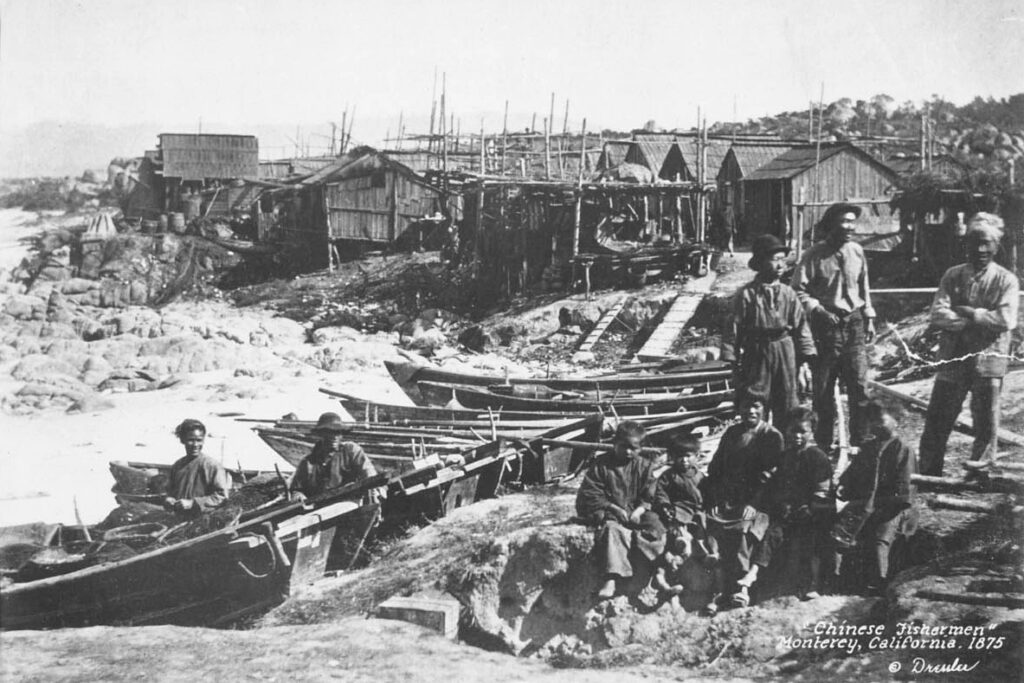
Although the United States was founded—and thrived on—immigration during its 250-year history, ethnic hatreds have generated numerous grim episodes of violence against it. After the United States acquired much of California at the end of the 1848 war with Mexico, American prospectors rushed to the territory during the 1849 Gold Rush. That move, and the expansion of mining operations and railroads across the Pacific coast in the following decades, also lured thousands of Chinese immigrants who went to work in those industries. Ironically, they were treated as an underclass, even though they were also vital component to the region’s economic expansion.
In 1882 Congress passed the Chinese Exclusion Act which barred further immigration from China and put the Chinese already in the country in danger. Suddenly, they were confronted with even more persecution. The numerous outbreaks of anti-Chinese violence across the west culminated in February 1886, when local chapters of the Knights of Labor—an organization primarily for white American working men—ordered a wholesale deportation of the Chinese—who they believed—were sucking up white workers’ factory jobs. Mobs attacked them, everywhere. Washington State’s governor tried to restore order, but local authorities and the Knights of Labor ignored him. By the time President Grover Cleveland sent in Federal troops to enforce the peace, the riots had already ended, and hundreds of innocent Chinese had left Seattle. Not until after World War II—during which many Chinese Americans faced hatred from Americans who thought they were Japanese—would their neighborhoods in Seattle and other places—begin to calm.
For more information about Chinese immigration to America, the Grateful American Book Prize recommends Michael Luo’s Strangers in the Land: Belonging, and the Epic Story of the Chinese in America (2025).
The Founding of the Battle Creek Toasted Corn Flake Company, February 1906
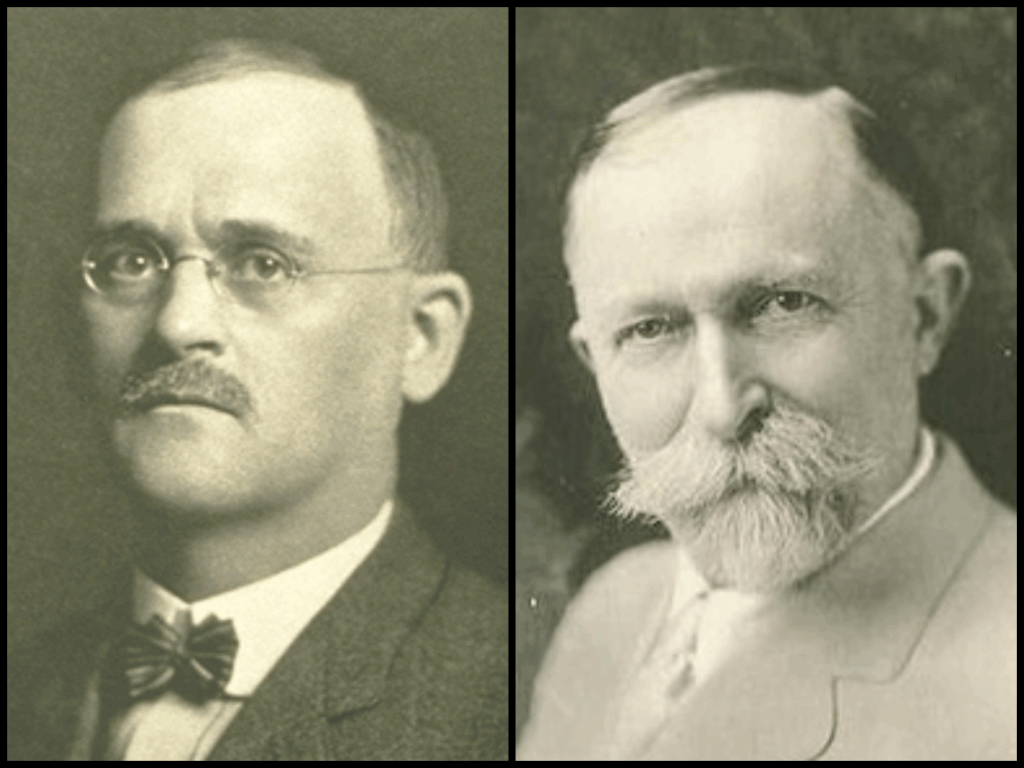
America’s long love affair with breakfast cereals can be attributed to the insights and antics of the erratic Kellogg family—and particularly—John Harvey Kellogg. A devotee of fitness, healthy living, and spiritualism, he and his younger brother, (and, to some degree, fellow visionary) Will, focused their multifarious activities in the vicinity of Battle Creek, Michigan, where John directed a sanitarium that sought to purify the physical and mental health of his burgeoning band of believers. By the late nineteenth century, John Kellogg was actively promoting exercise, sunbathing, vegetarianism, the consumption of peanut butter; nuts, enemas, and sexual abstinence.
These ideas and treatments were generally controversial even within the Kellogg family. While John and Will pioneered the development of granola and flaked breakfast cereals—and patented them—Will countered his brother’s wishes by asserting that flaked cereal might benefit from the addition of some sugar. In the meantime, a local upstart, C.W. Post invented Grape Nuts in 1897; he alleged they were good for brain and nerve center health.
Will eventually broke away from John, founded the Battle Creek Toasted Corn Flake Company in February 1906, and sustained their cereal wars, but Will would prevail as his corporation evolved into Kellogg’s; he transformed America’s breakfast eating habits in America—and throughout the world.
For more information about the Kellogg family and their inventions, the Grateful American Book Prize recommends Howard Markel’s The Kellogg’s: The Battling Brothers of Battle Creek (2018)
Ed Lengel is an author, a speaker, and a storyteller.
History Matters is a feature courtesy of the Grateful American Book Prize, an annual award for high quality, 7th to 9th grade-level books dealing with important events and personalities in American history.