April 1 — April 30, 2026
History Matters
Showing our children that their past is prelude to their future, with book recommendations
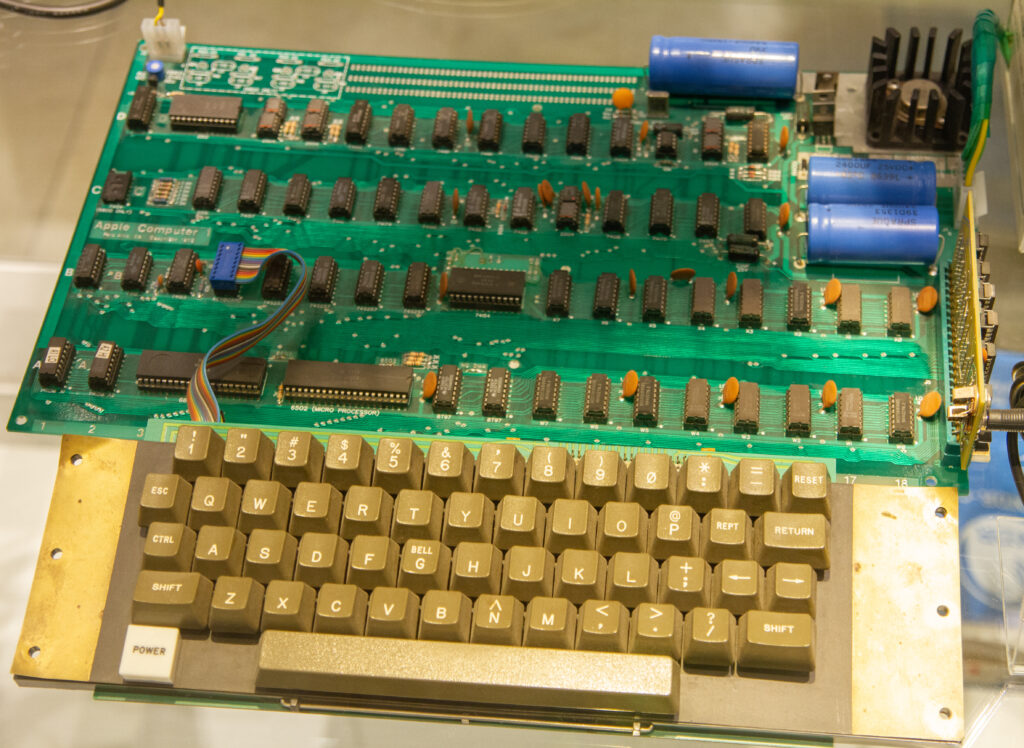
.The Founding of Apple Computing, Inc., April 1976
Exactly fifty years ago, the computer revolution was begun; at the time, telecommunications were becoming ubiquitous in government business—massive and unwieldy—despite enormous requirements for equipment space, maintenance, and constant human oversight.
Then, on April 1, 1976, Steve Jobs, and Steve Wozniak, each college dropouts—along with Ronald Wayne—co-founded Apple Inc., by selling a Volkswagen bus and a high-end digital calculator for just over $1,000 to fund the initial operation. Working in Jobs’ garage, they built the first Apple I computer. The following year—with the addition of frame, monitor and keyboard—it evolved into a Bonafide personal “device.” Sales stepped up in 1978-1979 and so did interest from rivals IBM and Radio Shack. By 1980, Apple was a public company that had transformed millions of households, businesses—and individual lives—permanently.
For more information, the Grateful American Book Prize recommends David Pogue’s Apple: The First 50 Years (2026).
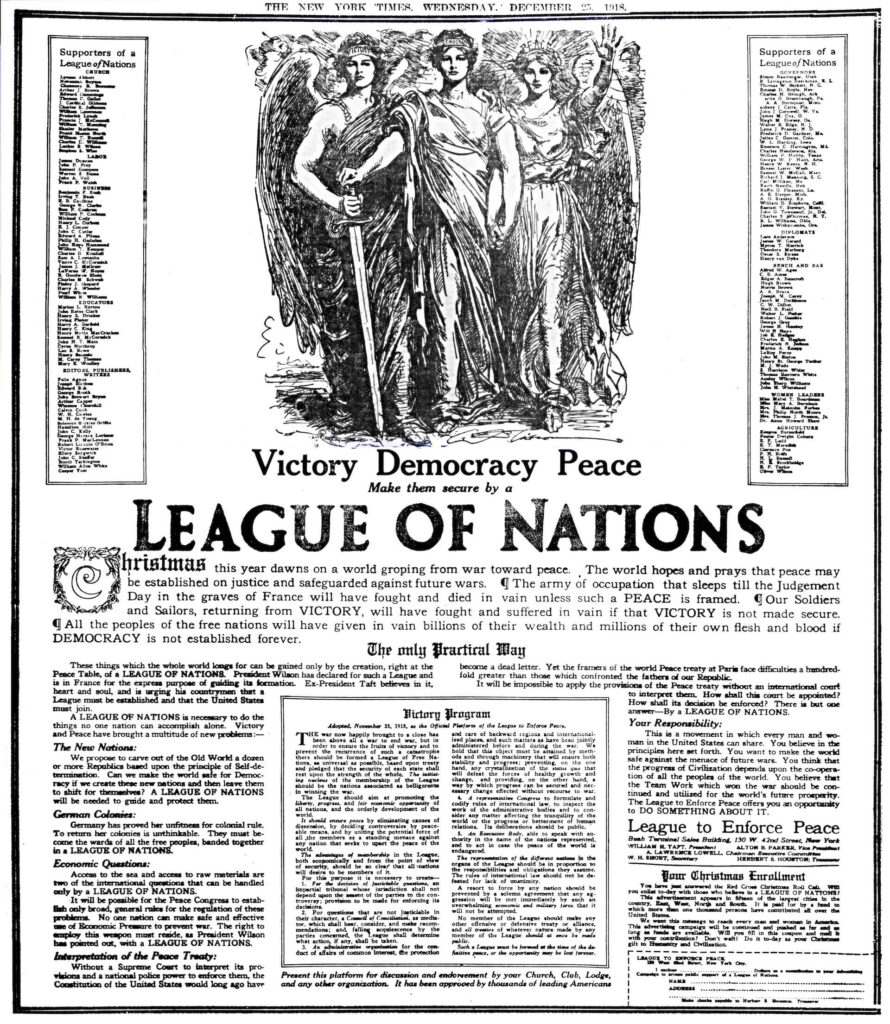
Closure of the League of Nations, April 1946
World War I (1914-1918), was one of the most devastating and transformative events in modern history. By the time it ended, European and American scholars; philosophers, diplomats, and politicians; were preoccupied with the dilemma about why it happened, and how to deter another future conflict. President Woodrow Wilson, a scholar, and idealist whose “Fourteen Points” had birthed the principle of national self-determination, was an avid proponent of a League of Nations that would guarantee diplomacy over war; open negotiations in lieu of secret alliances and mitigate the likelihood of future conflicts. The League of Nations Covenant was incorporated in Article I of the Treaty of Versailles.
Ironically, Wilson failed to influence America; the public preferred to turn away from international entanglements; congress refused to ratify American entry into the League, and Wilson’s efforts to tamp down country-wide resistance compromised his health. Nations in Europe, Africa, and Asia joined the League more or less—acknowledged the organization’s promise, but the organization was ineffective at muting the new era of international disputes in the 1930s-particularly with Japan’s campaign of conquest in China, Italy’s invasion of Ethiopia, and the rise of Nazi aggression under Adolf Hitler. When they were criticized or condemned, aggressor nations quit the League. By the time World War II commenced in 1939, it was powerless. The United Nations was inaugurated in 1945, and the League was shut down the following year.
For more information about the history of the League of Nations, the Grateful American Book Prize recommends Ruth Henig’s The Peace That Never Was: A History of the League of Nations (2019).
Ed Lengel is an author, a speaker, and a storyteller.
History Matters is a feature courtesy of the Grateful American Book Prize, an annual award for high quality, 7th to 9th grade-level books dealing with important events and personalities in American history.